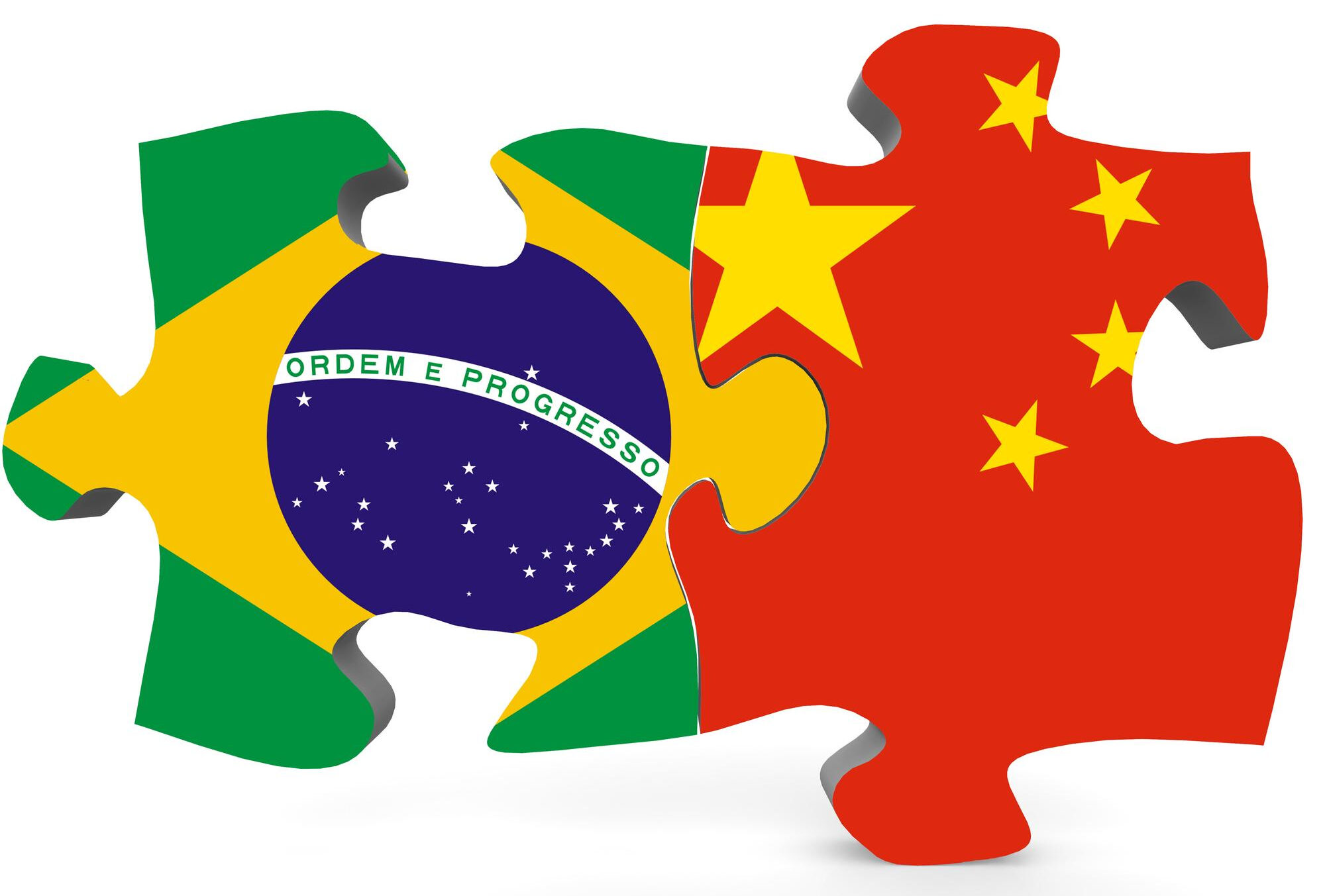
The Perseu Abramo Foundation (FPA) has maintained strong relations with similar institutions in the People’s Republic of China as part of the similarly close relations the Workers’ Party (PT) has with the Chinese Communist Party.
FPA’s relations with its counterparts in China have been materializing in several ways, including through the sending and receiving of delegations, joint activities, publications, and educational activities.
However, FPA does not have an area dedicated to systematizing the knowledge acquired through the aforementioned exchange as regards the Chinese experience and contemporary thought, both political partisan (as expressed for instance by the so-called Xi Jinping Thought) and academic and scientific, in particular with respect to such issues as development, planning, governance, and international relations.
In order to address this situation, the Perseu Abramo Foundation has decided to establish, as part of its Center for Advanced Studies and under direct supervision of the presidency of the Perseu Abramo Foundation, the Brazil-China Center for Advanced Studies.
The Center, as mentioned, will be coordinated by FPA’s president and will be supported by FPA executive directors, members of FPA’s Board of Trustees, personnel appointed by the Workers’ Party International Relations Department, and expert guests.
The work plan of the Brazil-China Center for Advanced Studies is framed around four central goals.
The first one is focused on the background of Brazil-China relations from the perspective of the Workers’ Party. This is about, in this case, keeping a record of the exchanges between the PT, FPA, and PT membership and their Chinese counterparts.
The second is keeping a track record of the short-term issues arising from Brazil-China relations that may directly and immediately be of interest to the Workers’ Party, as well as to the movements and institutions we work with.
The third goal is to keep track of the strategic issues arising from Brazil-China relations, as is the case of issues related to the struggle for world hegemony and the development and industrialization of Brazil and Latin America.
The fourth point is focused on publications and the holding of discussions, seminars, and events dealing with the various issues that may arise. As part of this fourth goal, the Center will be responsible for periodically producing suggestions addressed to the PT International Relations Department, the FPA Board of Trustees, and to the FPA executive board.
Establishing the Center will involve two stages. In the first stage (August-October 2026), meetings will be held to listen to PT membership engaged in the theme, in addition to detailed presentations of each of the project’s goals. As from November 2026, we will launch the second stage, which is precisely when the Brazil-China Center for Advanced Studies is due to be fully operational.