In another historic step for Brazil’s Unified Health System (SUS), the dengue vaccine produced by the Butantan Institute had its first doses administered this Monday (9), in a ceremony attended by President Luiz Inácio Lula da Silva, the Vice-President of the Republic and Minister of Development, Industry, Trade and Services (MDIC), Geraldo Alckmin, and the Minister of Health, Alexandre Padilha.
Now, the immunizing agent is beginning to be sent to health units in an action that will involve multi-professionals from the SUS, including community agents, nurses, doctors and other registered professionals. The immunizing agent was tested to be applied to people aged 12 to 59 years.
Approved by Anvisa last December, Butantan-DV is the first single-dose dengue vaccine in the world. The vaccine was developed by the Butantan Institute from a partnership articulated by the Ministry of Health with the Chinese company WuXi Vaccines.
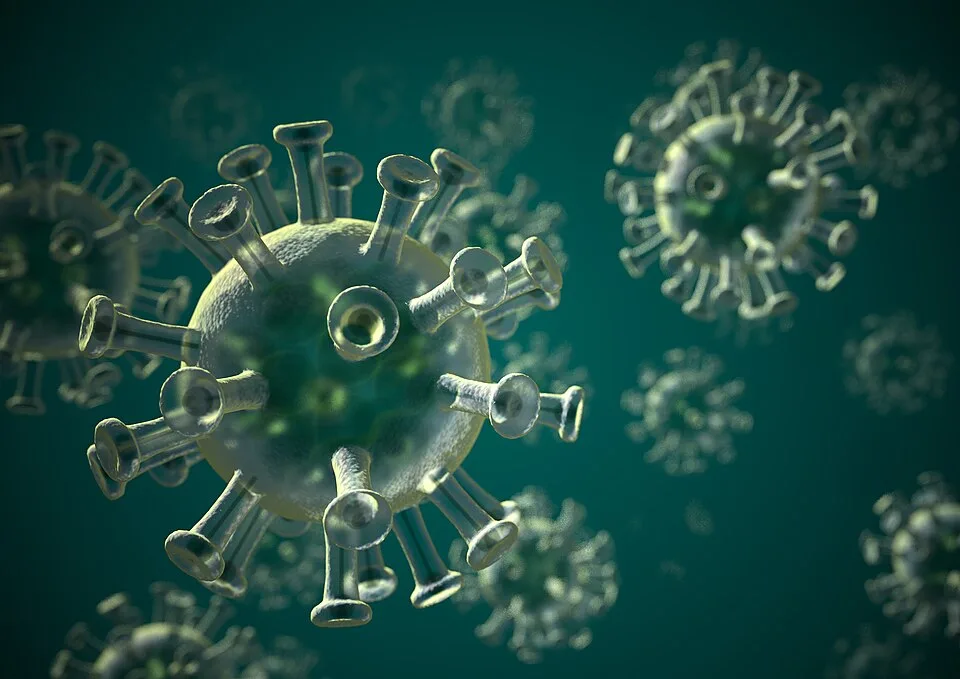
The new dose uses live attenuated virus technology, already used in other immunizations in use in Brazil and worldwide, such as the MMR vaccine, the yellow fever vaccine, the polio vaccine, and some influenza vaccines.
According to Anvisa’s technical evaluation, Butantan-DV showed an overall efficacy of 74.7% against symptomatic dengue in the population aged 12 to 59 years. This means that, in 74% of cases, the disease was prevented thanks to the vaccine.
The dose also demonstrated 89% protection against severe forms of the disease and against forms of dengue with warning signs, as published in The Lancet Infectious Diseases.
The goal is to protect 1.2 million workers on the front lines of the SUS (Brazilian public healthcare system) – in the state of São Paulo, this includes more than 216,000 professionals. The first 650,000 doses have been sent to the states, and the remainder is expected in the coming weeks.
Historic day
The minister and the President of the Republic, Luiz Inácio Lula da Silva, also visited the Dengue Vaccine Production Center (PVD) of the Butantan Institute in São Paulo this morning.
“A historic day. I have no doubt that today we are witnessing a historic milestone that will place Butantan among the largest technological and industrial innovation complexes in the world,” said Padilha.
“Each vaccine, each medicine, each technology, each innovation that will come with cell therapy will treat people in Brazil. And, increasingly, it will treat people around the world, with a single interest: to save lives and not just to profit from what it produces,” he added.
New investments
In addition to administering the first doses of the national dengue vaccine, Lula’s presence at Butantan marked the announcement of R$ 1.4 billion for the construction of two new Butantan Institute factories and the modernization of two others.
This investment is part of the Federal Government’s policy aimed at strengthening industry, focusing on the main health needs of the population. With resources from the New PAC Health program, the works aim to guarantee national autonomy in the manufacture of advanced serums and immunizing agents, such as mRNA vaccines, placing Brazil at a level of excellence in the development of biotechnological innovation.
“Strengthening Butantan is not an economic decision to help this or that state. Helping Butantan is simply having the privilege of saying that we are helping 215 million souls who live in this country and who need the Brazilian State to invest. As long as I have the possibility to help, there will be no shortage of money for research, neither at Butantan nor at any other research institute in this country,” stated the President of the Republic.
Vice-President Alckmin highlighted that the investments represent the Brazilian government’s determination to combine development with the well-being of the population. “Vaccination is public policy, it’s a presence of the State. By investing in the Butantan Institute, President Lula’s government reaffirms that health, science, and life are national priorities,” stated Alckmin.
The projects announced this Monday aim to guarantee national autonomy in the production of advanced serums and immunizing agents, including messenger RNA (mRNA) vaccines, as well as Active Pharmaceutical Ingredients (APIs) for DTPa and HPV vaccines, expanding the autonomy of the Unified Health System (SUS). Messenger RNA technology provides temporary instructions to cells to activate the immune system, without the use of live viruses and without altering human DNA.
The new plants will allow for an annual capacity of up to 6 million doses of the DTPa vaccine, with an investment of R$ 550.7 million; and 20 million doses of the HPV vaccine, with an investment exceeding R$ 495.9 million. The serum and multipurpose area unit, with investments of R$ 232.5 million, will have an initial capacity of 1.2 million vials of concentrated serum per year, potentially reaching 5.5 million vials of liquid serum per year after the completion of construction.