Most betting apps live in stores, but 1xBet often reaches Android users as a downloadable APK instead during setup. Read on for download, Setup and Troubleshooting, with the mobile-site fallback covered at the end.
APK stands for Android Package Kit. It is the archive format Android uses to distribute and install applications, and every app on your phone arrived in that container, whether you noticed or not. The 1xBet APK is simply the 1xBet app packed into that format for direct download.
Why does a direct file matter at all? In many regions gambling apps are restricted on Google Play, so 1xBet distributes its Android build through its own web channels. That makes the APK the primary, and sometimes only, way to get the native app rather than a browser shortcut.
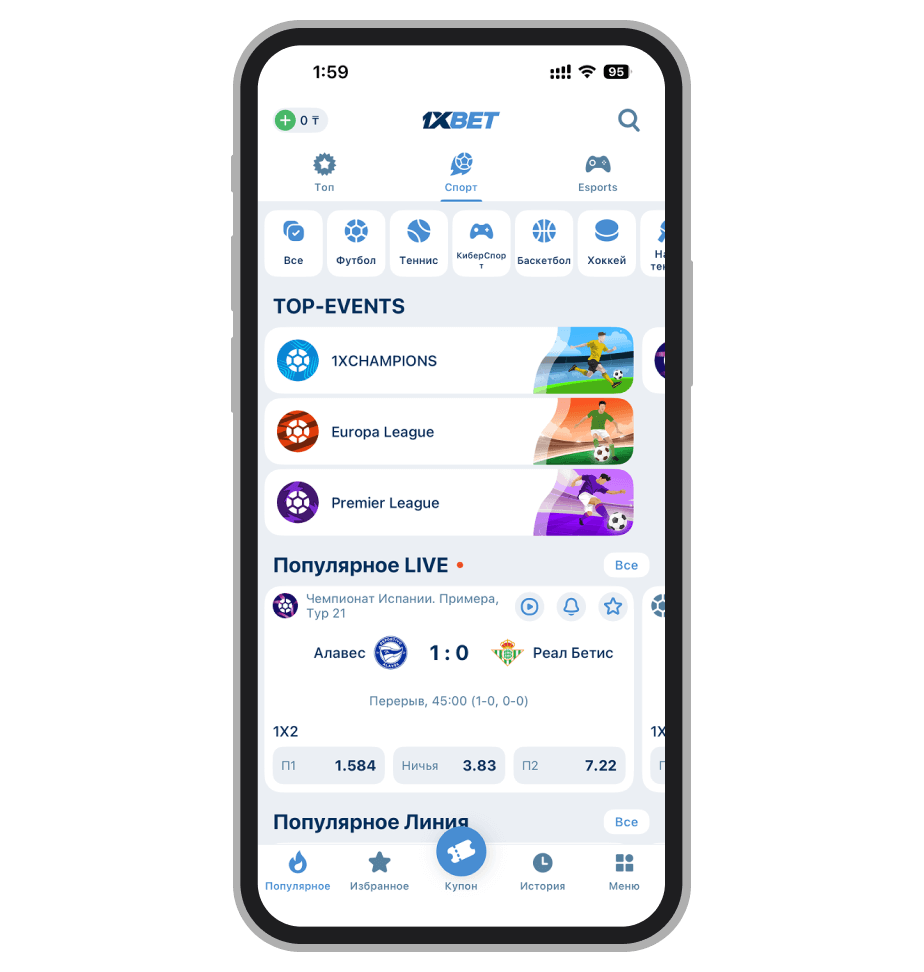
The installed app mirrors the full account: sportsbook, casino, payments and settings. Layout and exact menu labels vary by region and release, so screenshots you find on other sites may not match what you see after login. That is normal, not a sign of a broken file.
The safest download is always the one served from the operator's own domain. Third-party mirrors exist, but a repackaged APK is the single most common way betting accounts get compromised, so the source check is not a formality. Spend thirty seconds on it before tapping anything.
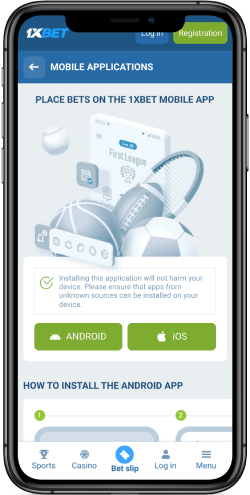
The quickest route is the mobile version of the 1xBet site, which detects Android and offers the app download directly. From there, the 1xbet apk download download free takes you to the dedicated app page with the current build and brief instructions.
Before saving the file, run through these checks:
Once verified, tap the download button and let the file save to your Downloads folder. Keep the page open until the transfer completes, because a partial file will fail at install time with a parsing error.
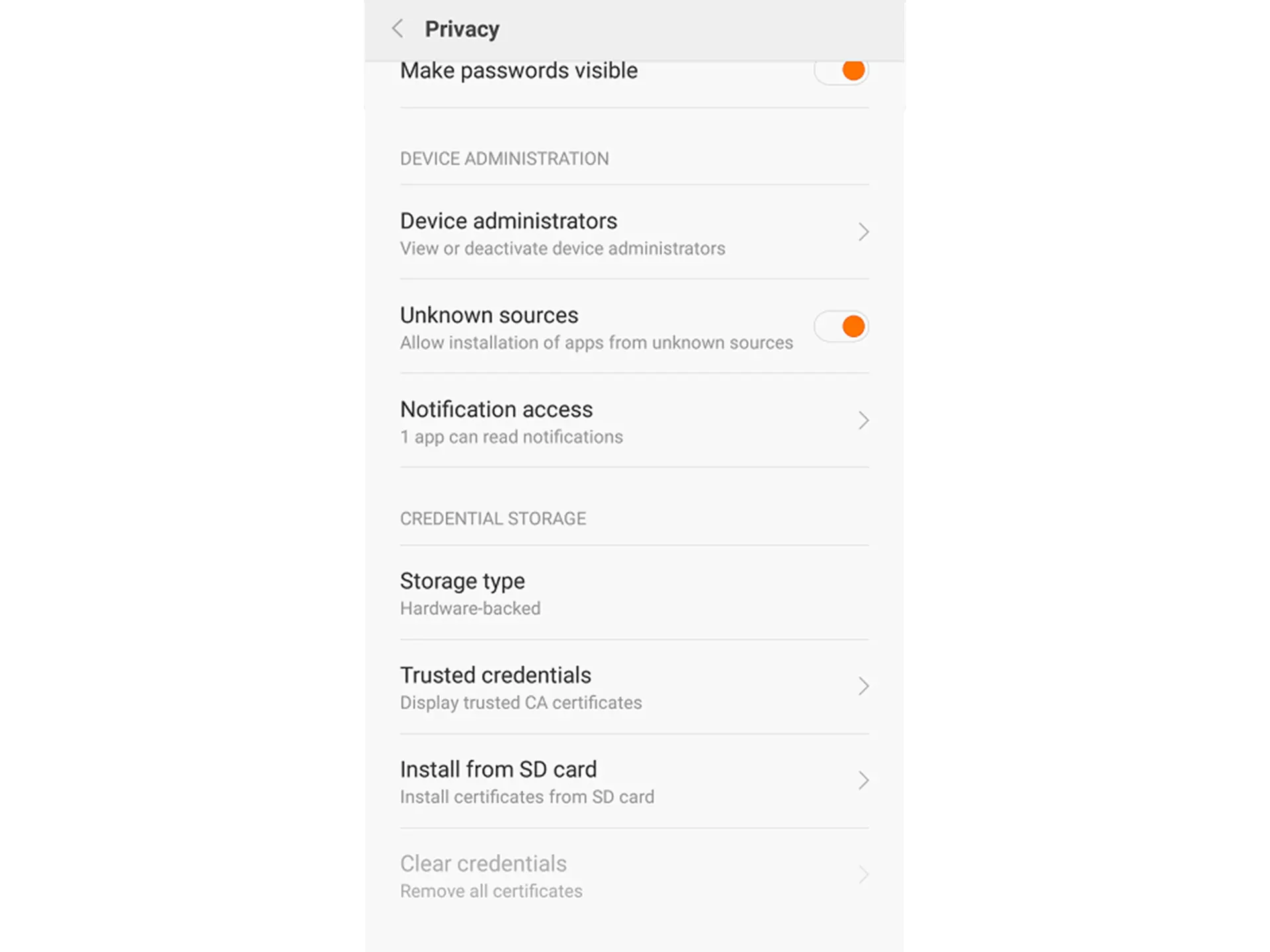
Android blocks sideloaded apps by default, so the first install attempt will be interrupted by a security prompt. This is expected behaviour, not an error. The permission you grant applies to the specific app doing the installing — your browser or file manager — not system-wide.
Follow this sequence exactly the first time:
After the app is installed you can revoke that permission again in Settings under Apps and Special app access. Revoking it does not remove 1xBet; it only blocks future sideloads from that source, which is a sensible habit after any manual install.

On newer Android versions the toggle lives inside the per-app settings screen, while older builds keep a single global switch. Either way, the logic is identical: the OS wants your explicit consent before code from outside an app store runs on the device.
A sideloaded app does not update through Google Play, so keeping 1xBet current is your job. The app usually prompts you when a newer build exists, and the in-app flow downloads the fresh APK and runs the installer over the top of the old one. Your login and settings survive a normal update.
If the automatic prompt never appears, grab the current file manually from the 1xbet apk download for android phone and install it the same way you did the first time. Android treats it as an update as long as the package name and signing certificate match the installed copy.
| Update method | How it starts | Data kept? |
|---|---|---|
| In-app prompt | App detects new build on launch | Yes, normally |
| Manual APK reinstall | You download the file yourself | Yes, if signature matches |
| Clean reinstall | Remove app, install fresh | Local data removed |
One warning matters here: an APK signed with a different certificate will refuse to install over your existing app. That mismatch usually means the file came from an unofficial repack, so do not uninstall the old app to force it through — you would lose local data and possibly install a tampered build.
The installed app is a full client, not a stripped-down shell. What you see after login depends on your region and account status, but the core modules are consistent across builds.
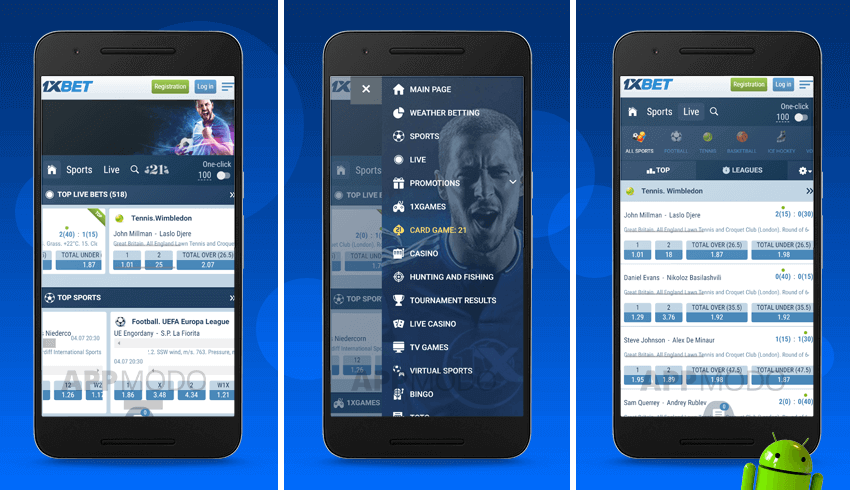
Performance-wise the app keeps your session alive longer than a browser tab and loads market pages from local cache, which is why regulars prefer it over the mobile site for live betting. Exact game counts and payment lists shift between releases, so treat the in-app menus as the reference, not any article including this one.
Most installation failures fall into a handful of repeatable patterns. Work through them in order, because the simplest cause — a corrupted download — is also the most common.
The table below maps symptoms to their most likely root cause so you can skip steps that do not apply to your case.
| Symptom | Likely cause | First fix to try |
|---|---|---|
| Parsing error | Corrupted file | Re-download the APK |
| Blocked install | Permission off | Allow from this source |
| App not installed | Signature mismatch | Verify the download source |
| Crash on open | Stale cache or old build | Clear cache, then reinstall |
If none of this helps, the mobile site is a working fallback while you sort the install out, and support can confirm whether your region's build has known issues on your Android version.
Both routes reach the same account, balance and markets. The difference is in delivery: the app is a native install with cached assets and notifications, while the mobile site runs entirely in the browser and updates itself every time you load it.
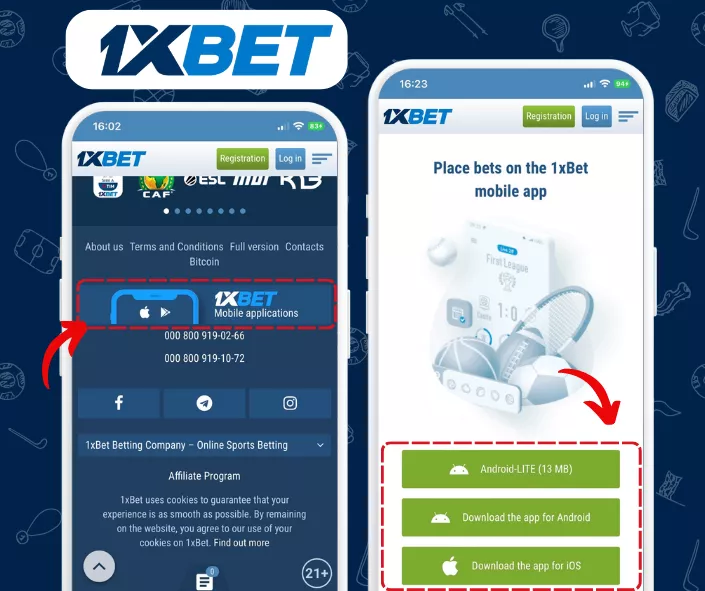
For occasional bets the browser is fine. For daily use, accumulator building and in-play markets, the installed APK is the better tool — provided you keep it updated and sourced from the genuine domain.
It can be, provided the file comes from the genuine 1xBet domain over a secure connection. The risk sits with third-party mirrors that repackage apps, so verify the address bar before every download.
Android shows a generic warning for any app installed outside an official store, regardless of the app's actual content. It reflects the install method, not a scan result, though you should still only proceed with files from a source you verified.
Download the current APK from the same source you used originally and install it over the existing app. As long as the signature matches, Android treats it as an update and keeps your settings.
Your account, balance and history live on the operator's servers, so uninstalling does not delete them. You may lose locally stored data such as saved login sessions, so have your credentials ready before reinstalling.
Clear the app's cache in Android settings and restart the phone first. If it still fails, delete the app, download the latest build again and install fresh, since an outdated or damaged package is the usual cause.


